
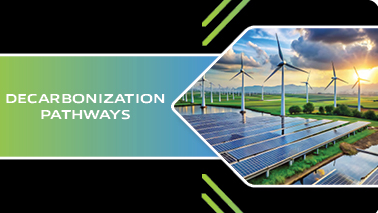
Decarbonization Pathways are strategic roadmaps used by nations and industries to transition from fossil-fuel dependency to a net-zero future. By 2026, these pathways have evolved from theoretical models into high-stakes industrial blueprints. The process is generally categorized into four "pillars": energy efficiency, low-carbon electricity, electrification of end-uses, and the deployment of carbon capture and hydrogen for hard-to-abate sectors.
The most immediate pathway is the Decarbonization of Power, which acts as the foundation for all other sectors. This involves scaling solar and wind while maintaining grid stability through nuclear power and long-duration storage. Once the grid is "clean," the focus shifts to Deep Electrification, where fossil-fuel assets in transport and buildings—like internal combustion engines and gas boilers—are replaced with electric vehicles and heat pumps. This "sector coupling" ensures that as the grid gets greener, the entire economy follows.
For "hard-to-abate" industries like steel, cement, and heavy shipping, the pathway relies on Indirect Electrification via green hydrogen and Carbon Capture, Utilization, and Storage (CCUS). These technologies address chemical process emissions and high-heat requirements that batteries cannot satisfy. By 2026, many regions are adopting "Industrial Clusters," where multiple factories share CO2 and hydrogen infrastructure to lower costs.
Ultimately, successful pathways require a "Just Transition" policy, ensuring economic stability for workers in legacy industries. By combining technical innovation with carbon pricing, these roadmaps provide a predictable environment for the trillions in investment needed to reach net-zero.
Share this page on your timeline
ALSO READ Renewable Clean Energy Systems Solar Photovoltaic Technologies Floating Solar Systems Wind Energy and Wind Technologies Hybrid Renewable Energy Systems Bioenergy and Biomass Waste-to-Energy Technologies Geothermal Energy Systems Marine and Tidal Energy Smart Grids Power Systems Microgrids and Distributed Energy Resources Power Electronics for Renewable Integration Grid Stability and Reliability Cybersecurity in Power Systems AI and Machine Learning in Power Systems Digitalization of Energy Systems IoT Applications in Energy Advanced Battery Technologies Grid-Scale Energy Storage Long-Duration Energy Storage Thermal Energy Storage Systems Hydrogen Production and Storage Fuel Cell Technologies Sustainable Power Energy Efficiency Energy-Efficient Buildings Smart Cities and Energy Systems Energy Management Systems Industrial Energy Optimization Energy Transition, Policy Future Systems Decarbonization Pathways Net-Zero Energy Systems Carbon Capture, Utilization and Storage Circular Economy Energy Policy and Regulation Climate-Resilient Energy Systems Electric Mobility and Charging Infrastructure Vehicle-to-Grid Technologies Future Power System Technologies Hydro Power
Tags
Wind Energy Conferences
Renewable Energy Conferences Europe
Smart Grid Systems Conferences
Smart Grids Conferences Asia
Circular Economy Conferences Japan
Biomass Meetings USA
Power Electronics Conferences Europe
Sustainable Power Generation Meetings
Hydro Power Conferences Middle East
Green Hydrogen Technology Conferences
Renewable Energy Conferences USA
Renewable Energy Conferences
Power Technologies Conferences Europe
Biofuels Conferences
Renewable Clean Energy Conferences Middle East